
Cured-In-Place Pipe (CIPP) Inversion is a trenchless alternative to traditional sewer pipe repair that also saves money on property landscaping. Without extensive excavation, this technology can preserve landscaping, driveways, and structures while restoring the integrity of old or damaged pipes. Almco Plumbing has been using CIPP inversion technology on projects throughout San Diego County to help customers avoid the hassle of cracked, corroded, or leaking pipes for the next 50 years.
This article explains the CIPP inversion process, its benefits, and real-life cases from Almco Plumbing’s sewer repair practice.
CIPP Inversion Lining
What is CIPP Inversion?
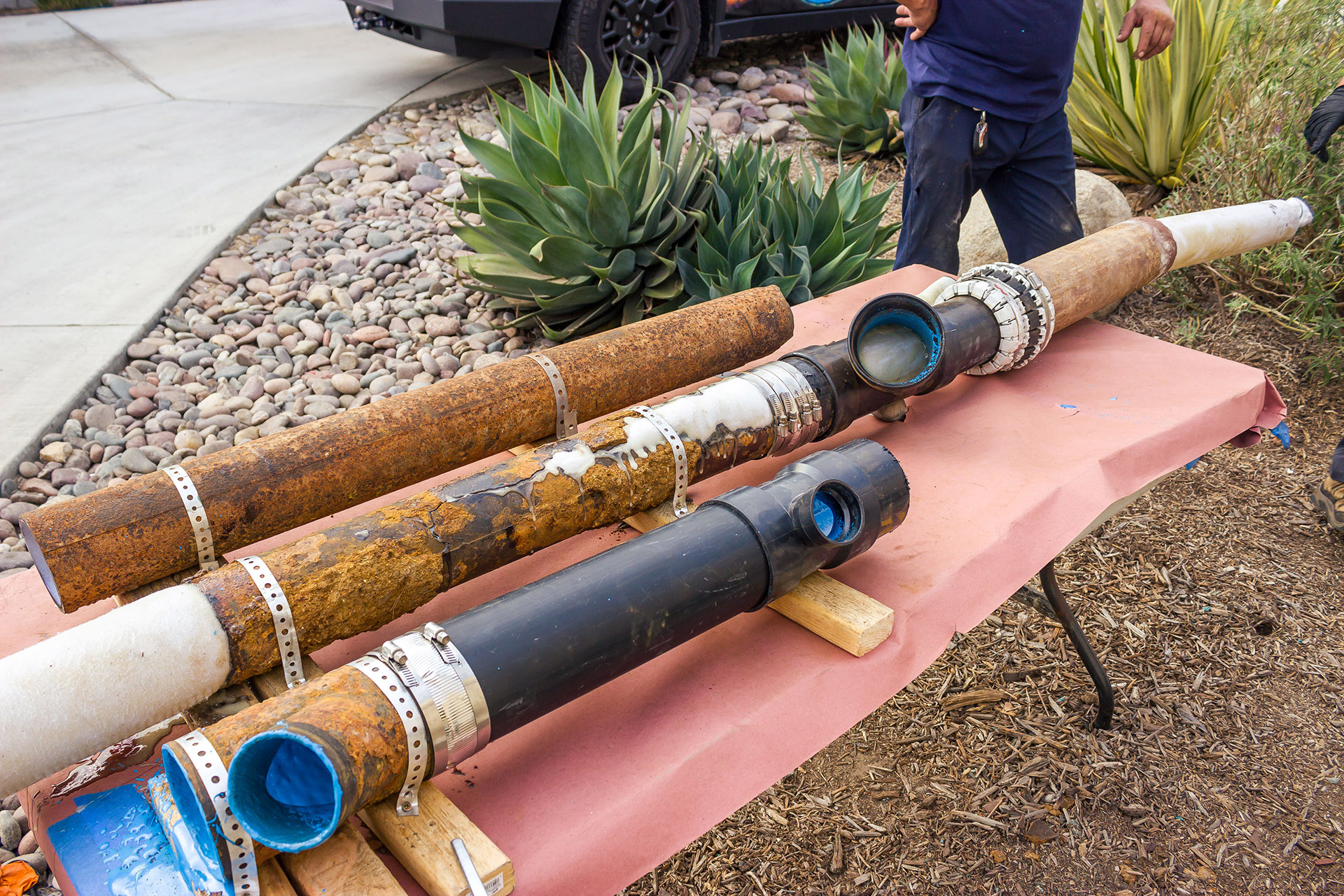
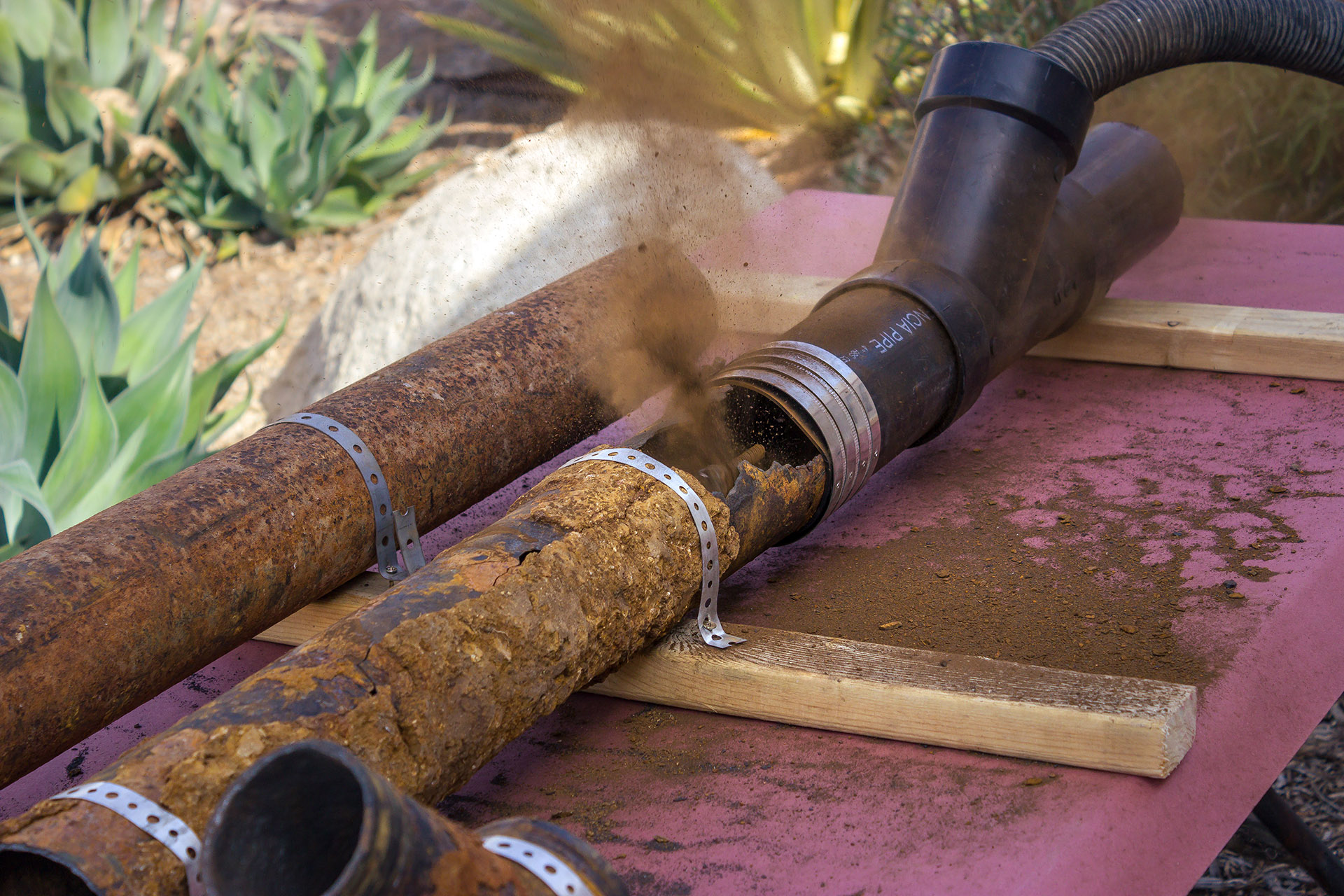
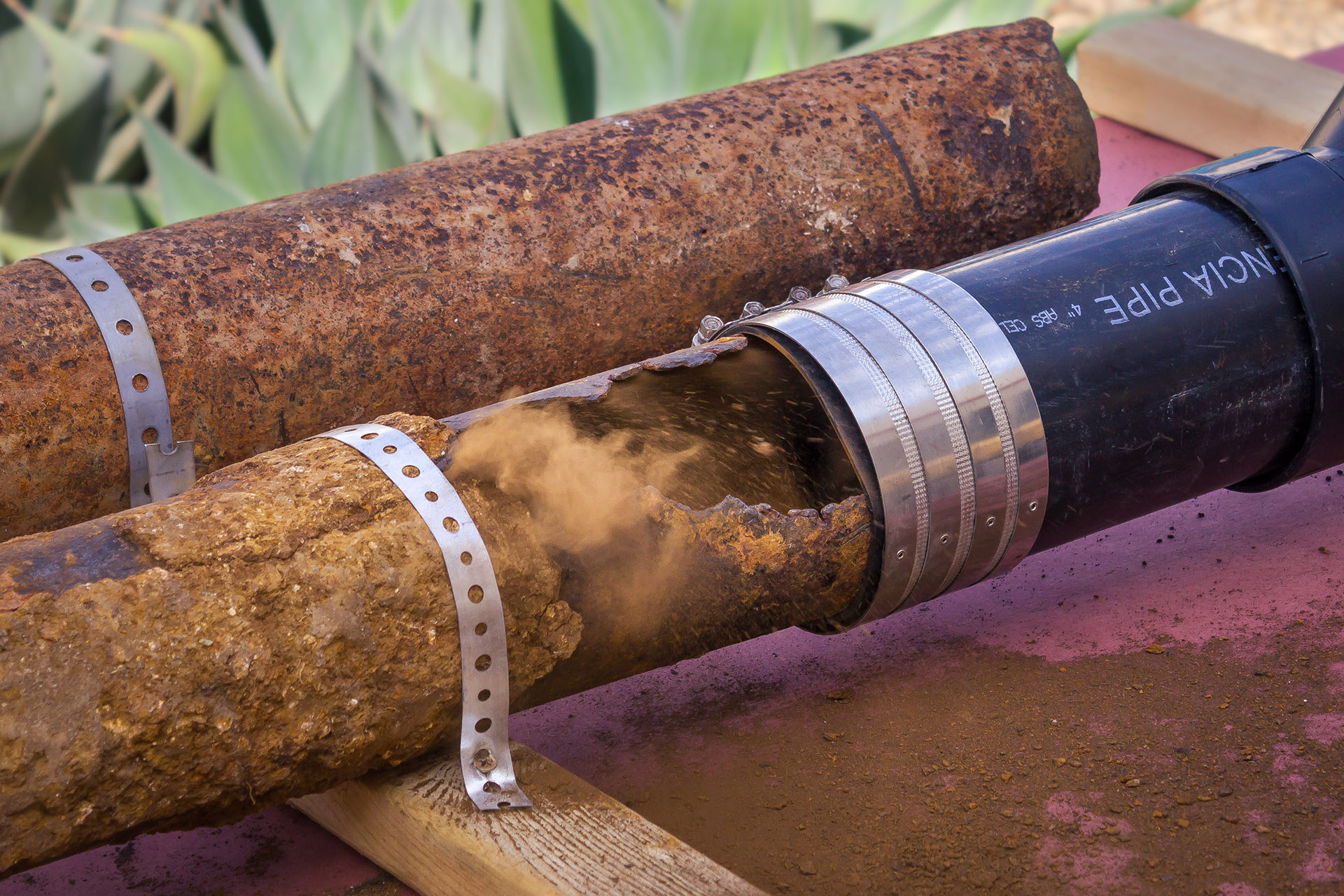
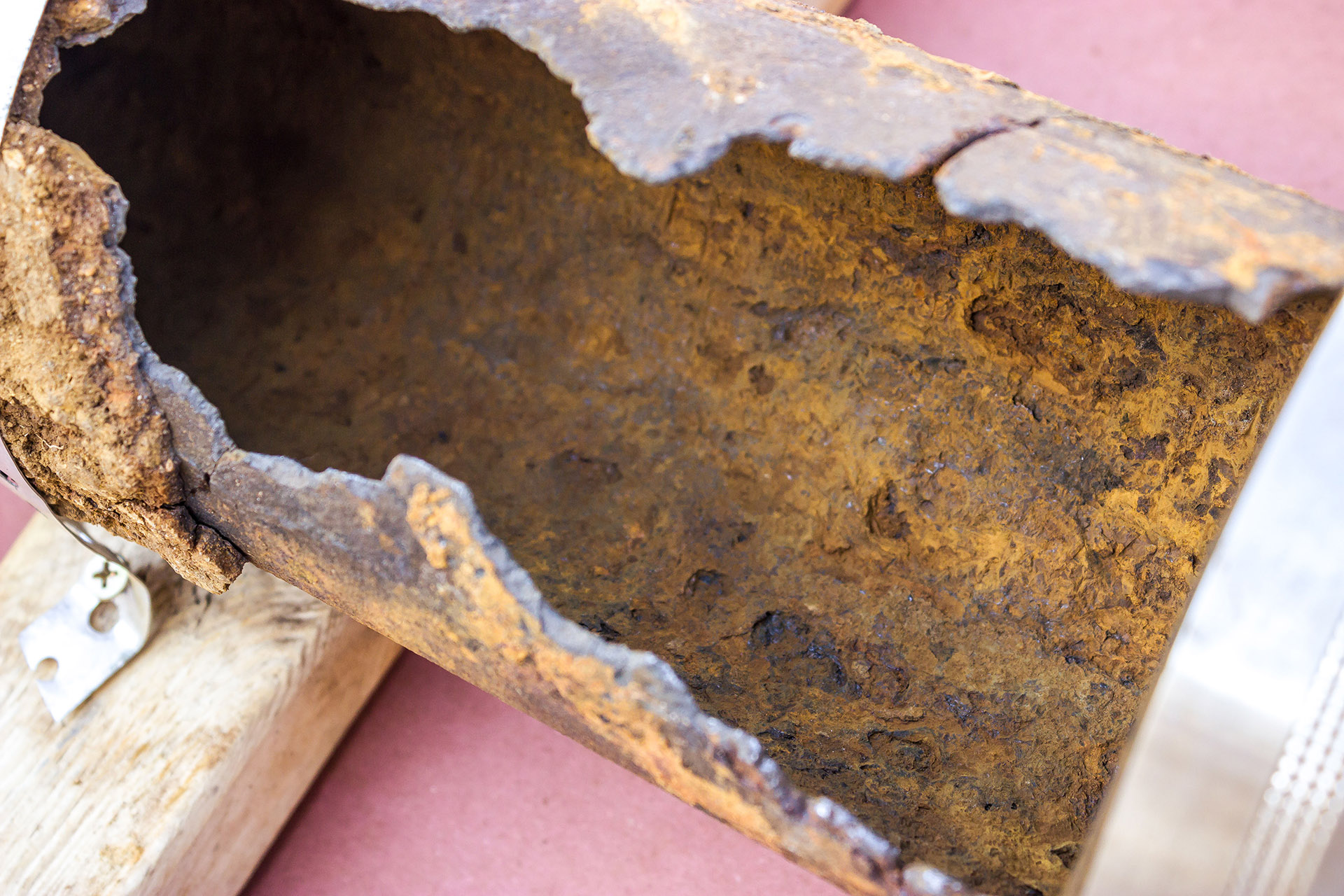
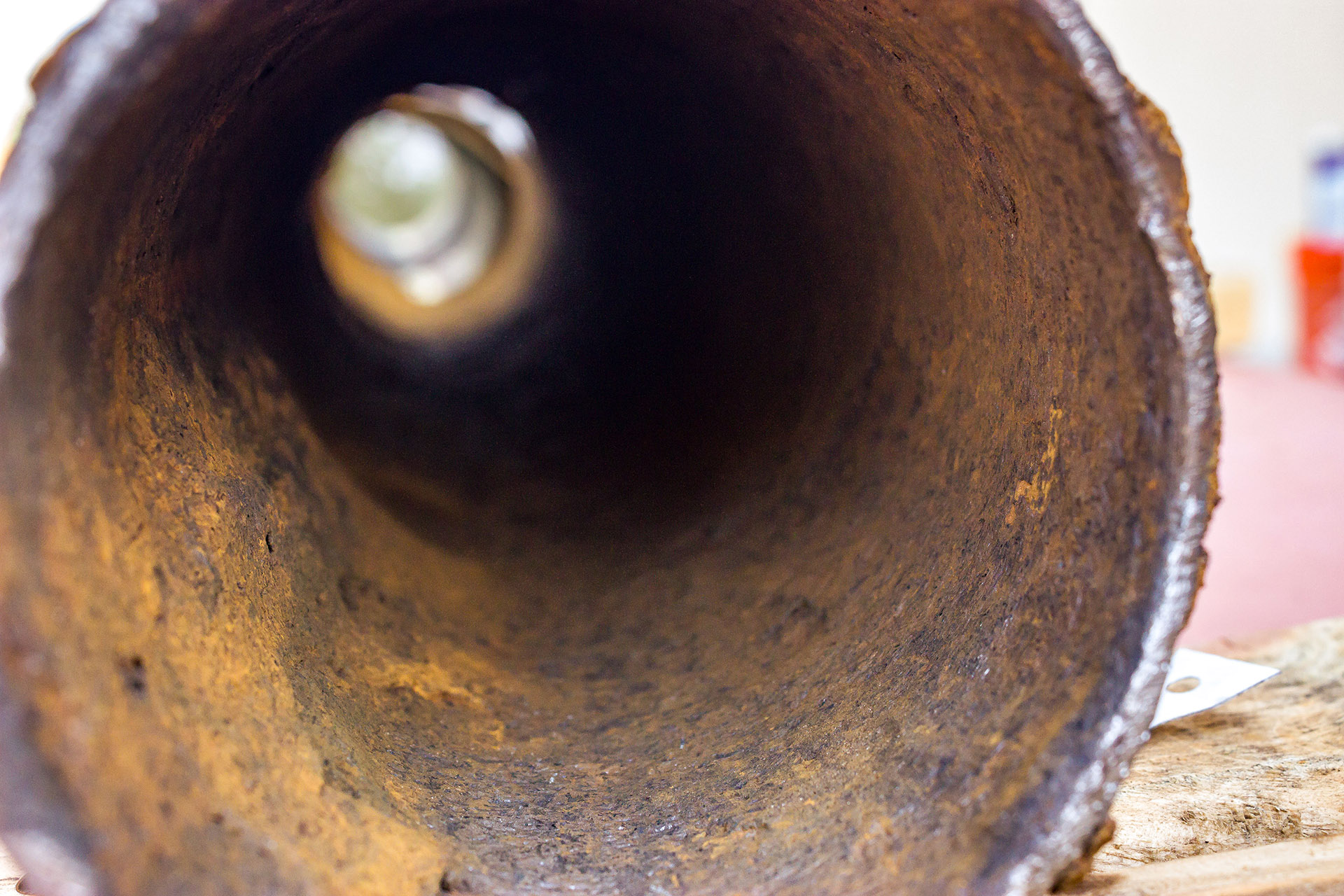
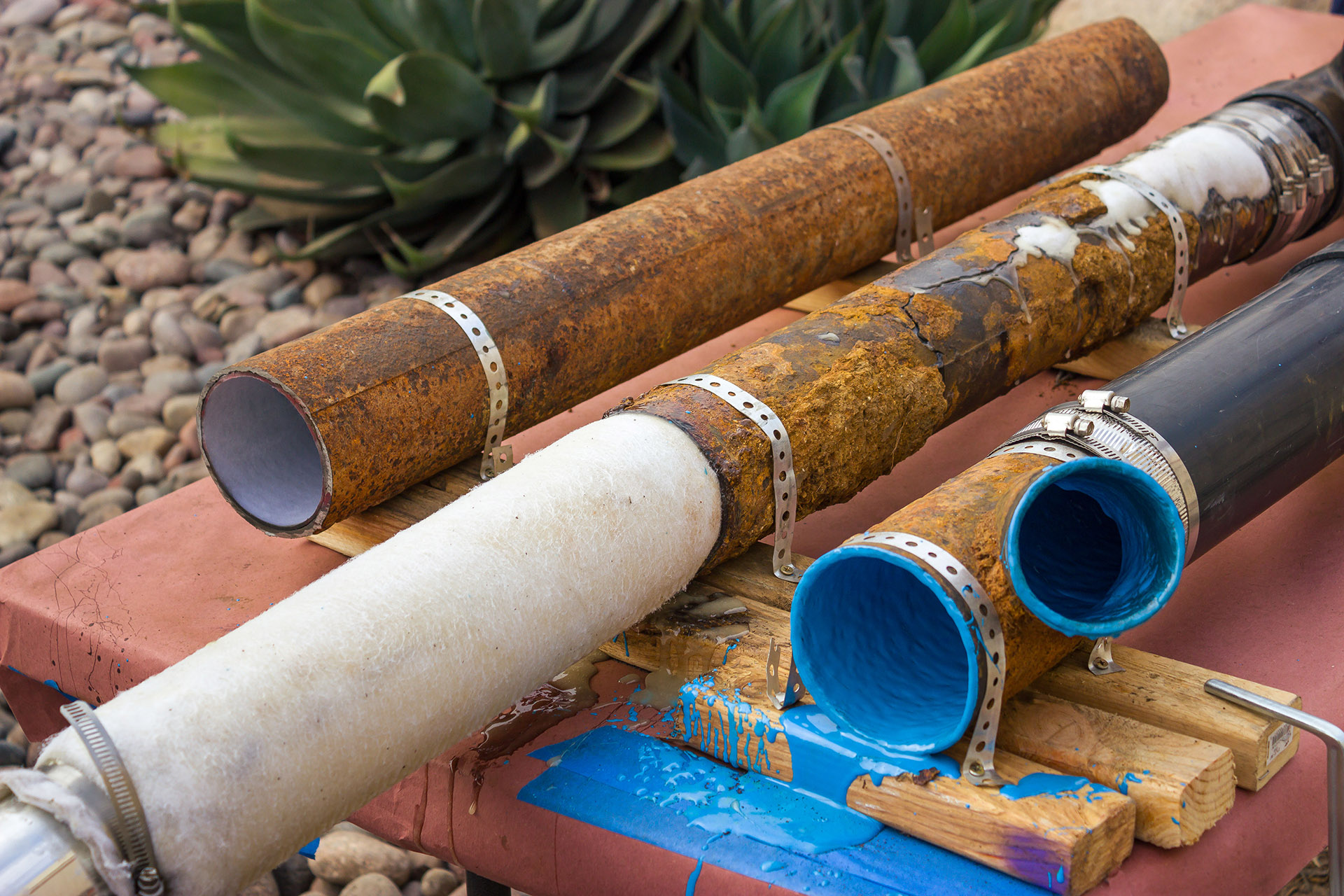
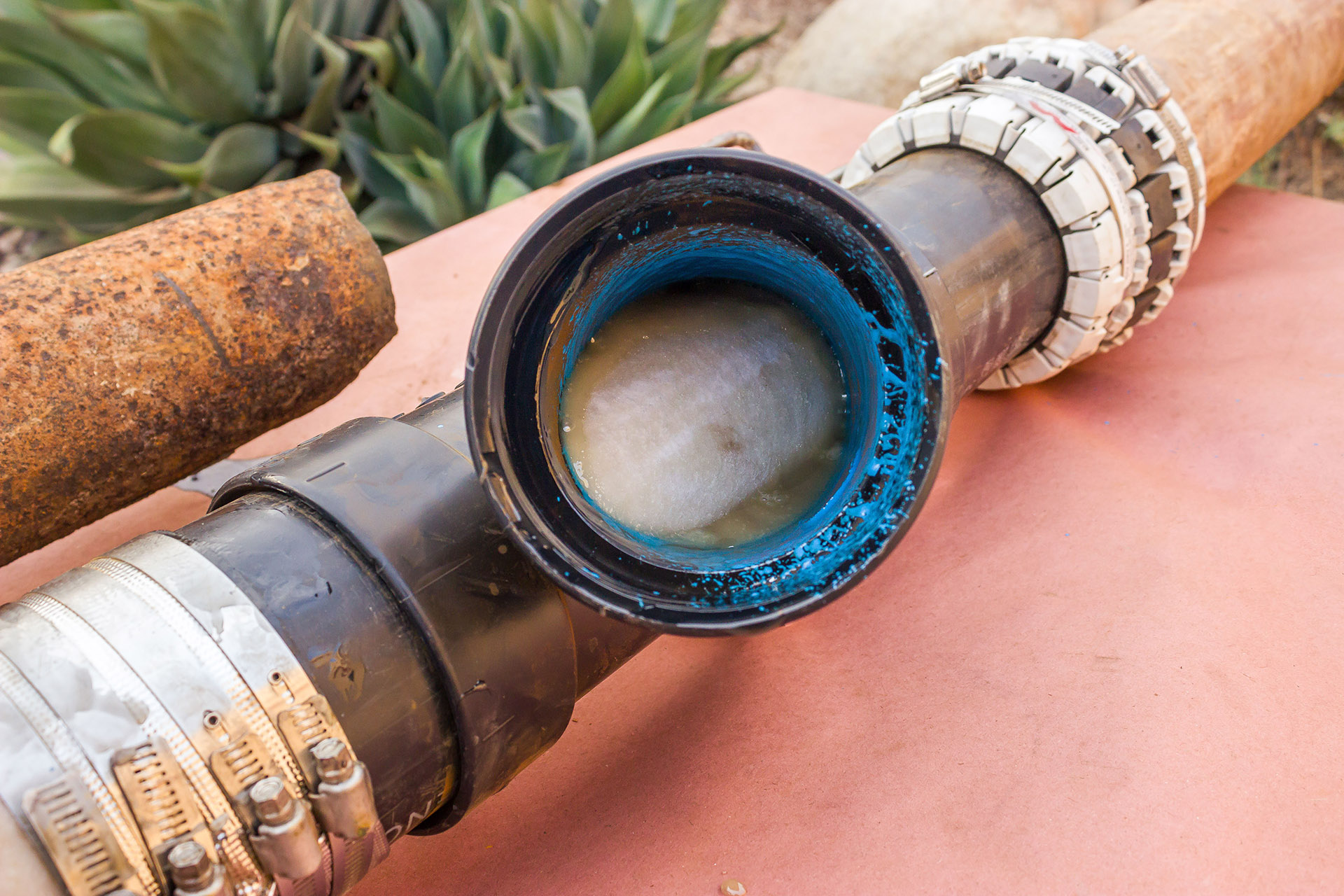
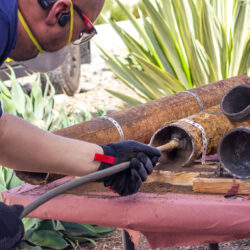
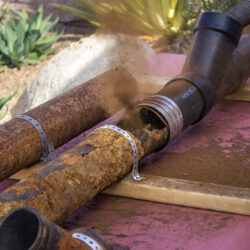
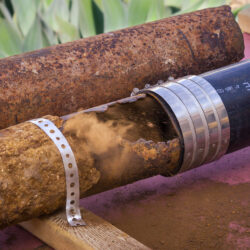
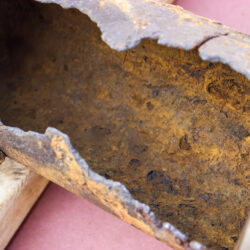
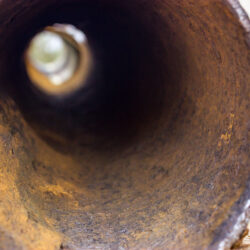
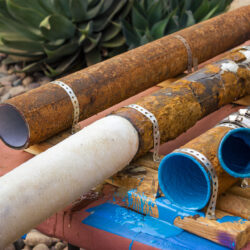
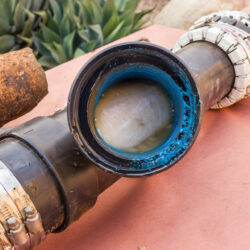
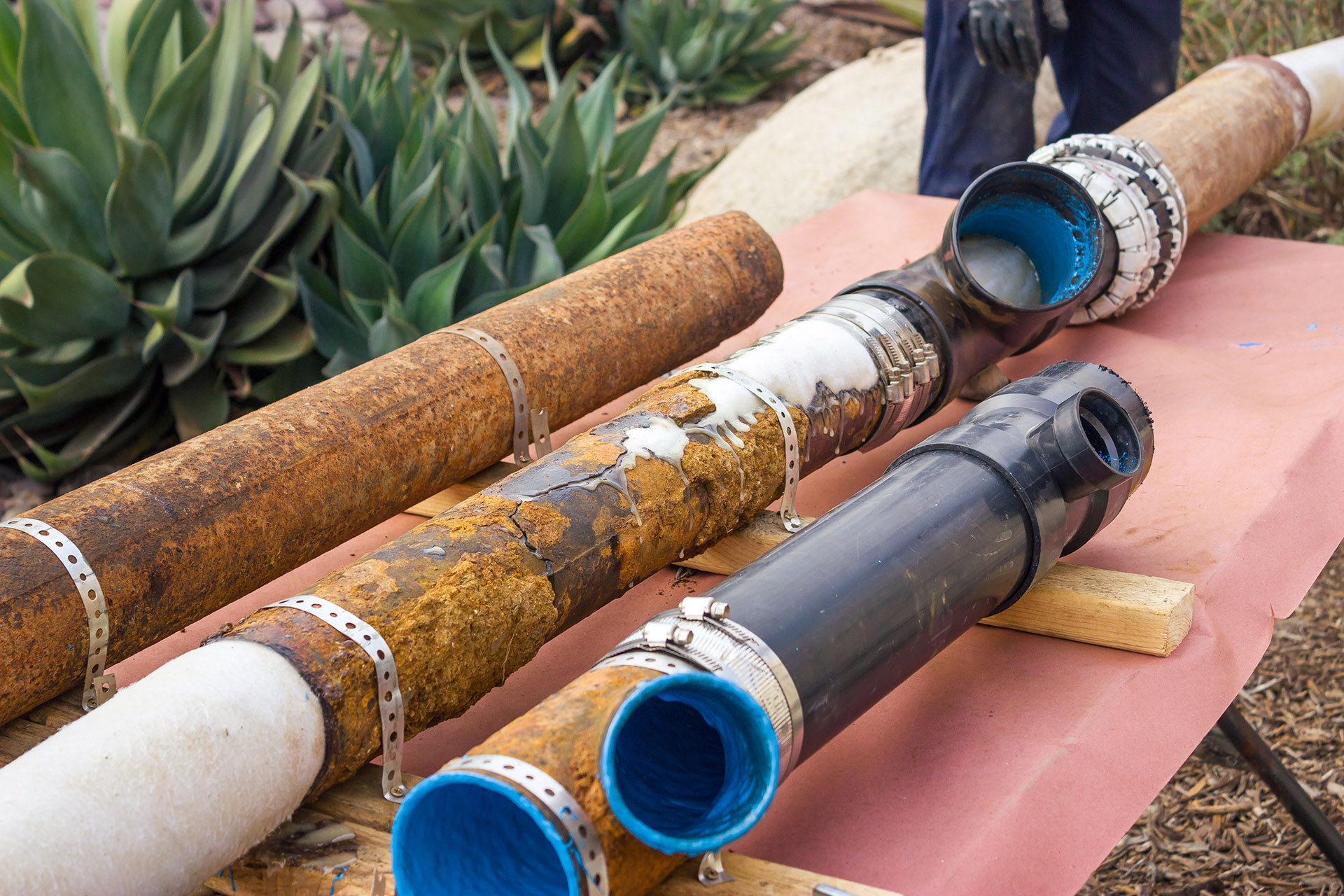
Cured-In-Place Pipe (CIPP) is a trenchless pipe repair method designed to repair damaged sewer and drainage pipes without the need for extensive excavation. A flexible liner impregnated with epoxy resin is placed inside the damaged pipe. Under air or water pressure, the liner inverts (turns inside out) as it is pushed through the pipe, allowing the resin to bond tightly to the interior walls of the existing pipe. Once in place, the resin cures (hardens) with heat or UV light, creating a seamless, corrosion-resistant pipe inside the old pipe.
CIPP inversion technology works effectively with a variety of pipe materials including clay, PVC, cast iron, and concrete. It is commonly used on pipes from 2 to 60 inches in diameter, making it versatile for residential, commercial, and municipal applications.
The result is a fully rehabilitated pipe with improved flow capacity, leak resistance, and root penetration protection. With a service life of 50 years or more, CIPP inversion provides a durable solution for aging or damaged infrastructure. The trenchless method provides a cost-effective and environmentally friendly technology for sewer and drainage repairs.
When Do You Need to Use CIPP Inversion?
CIPP inversion is an excellent solution for repairing sewers and drains that are moderately to severely damaged but not completely collapsed. It is most often used for:
- Aging & Worn Pipes. Over time, clay or cast iron pipes can deteriorate, crack, or corrode. If your system is aging and showing signs of damage, CIPP inversion can restore its integrity without replacing the entire line.
- Root Intrusion. Tree roots often penetrate pipes through tiny cracks or joints, causing leaks and clogs. CIPP inversion seals these weak spots to prevent future root intrusion.
- Leaking Pipes. If your pipes are leaking but structurally intact, CIPP lining seals leaks and restores functionality without excavation.
- Difficult-to-Access Pipes. Pipes located directly under driveways, buildings, or landscaping are difficult and expensive to excavate. CIPP inversion provides a trenchless repair option that eliminates the need to excavate these areas.
When Is CIPP Inversion Not an Option?
CIPP inversion is not the right choice if:
- the pipe is completely collapsed, because the liner requires a continuous channel for insertion;
- the pipe has significant misalignments or bellies that cannot be corrected with a liner.
In these cases, alternatives such as pipe bursting or traditional excavation may be required. Almco Plumbing’s professional survey is essential to determine if CIPP inversion is the best solution for your specific needs.
CIPP Inversion Process Step-by-Step
The CIPP (cured-in-place pipe) inversion process involves several steps to ensure a quality sewer repair. Here’s how it works.
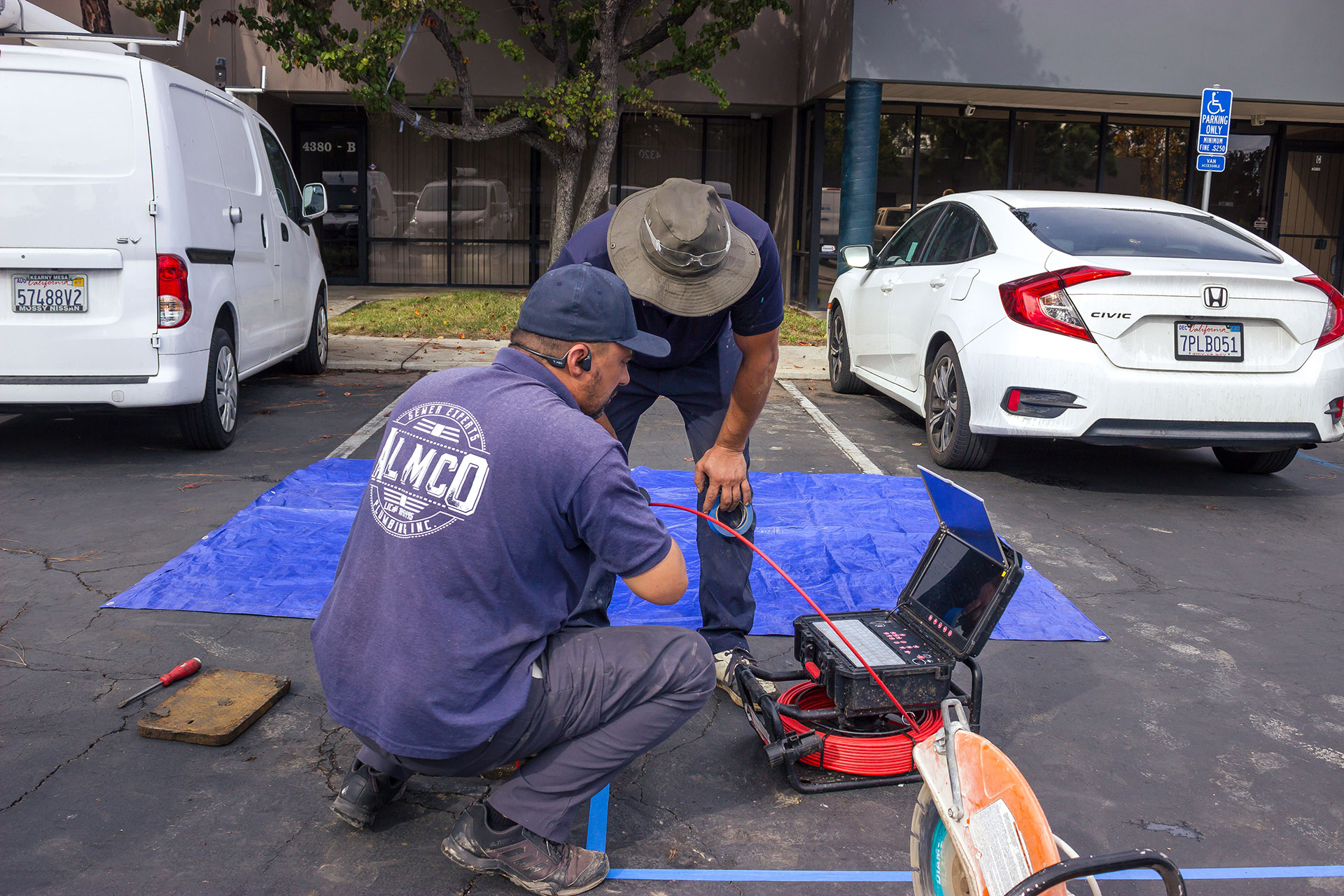
A professional plumber uses a high-definition camera to inspect the sewer. This inspection identifies cracks, corrosion, root intrusion, or other damage and determines if the pipe is suitable for CIPP inversion.
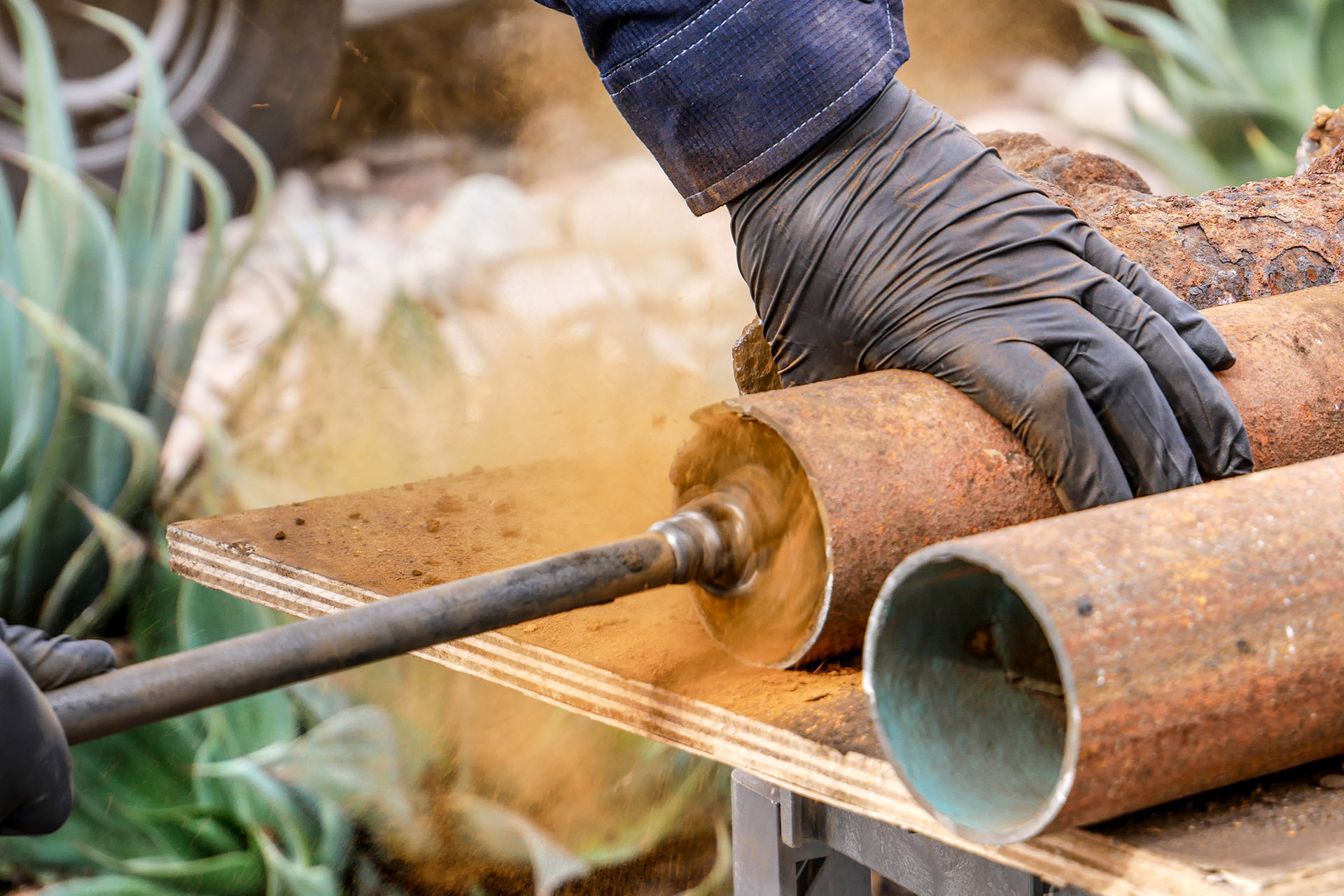
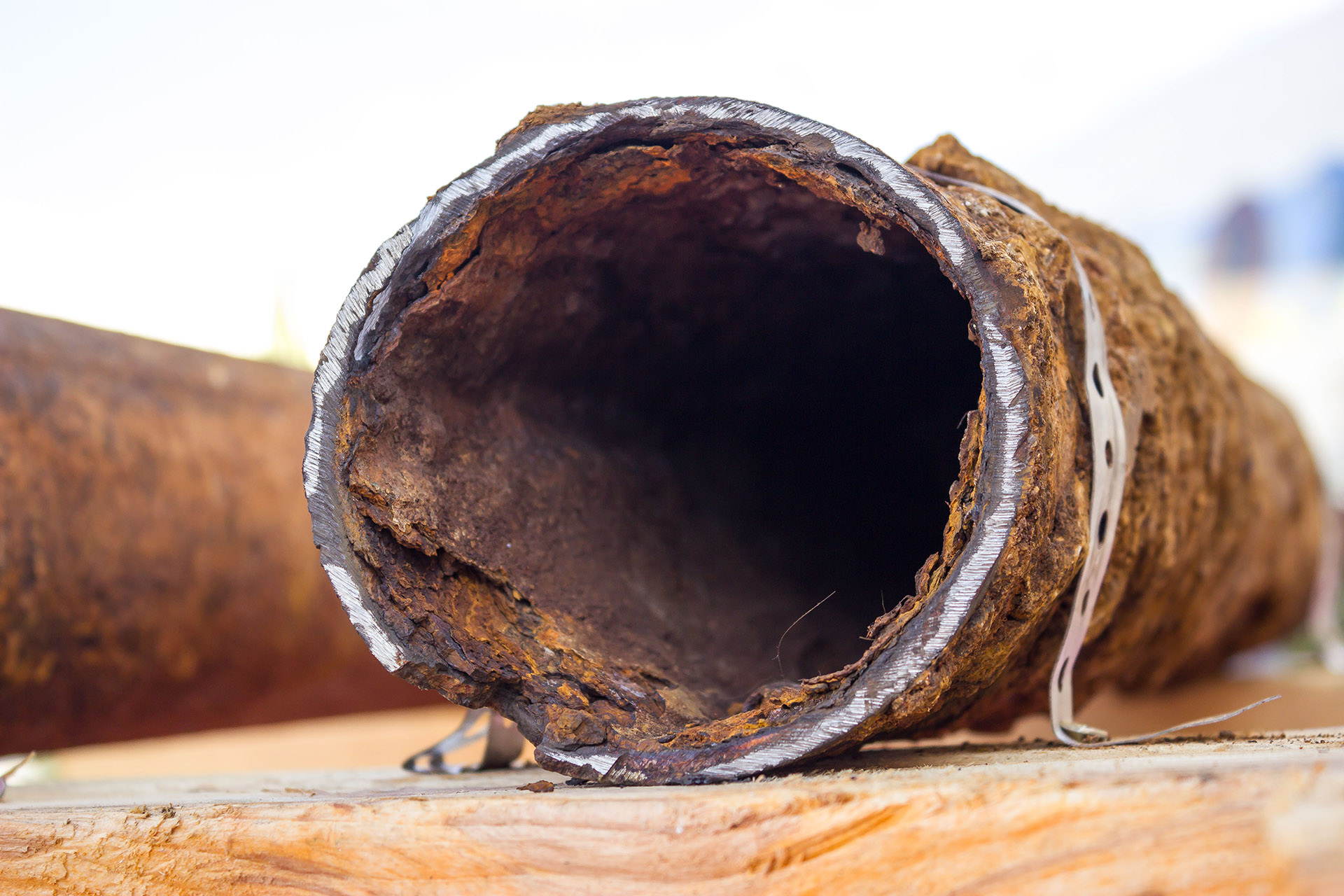
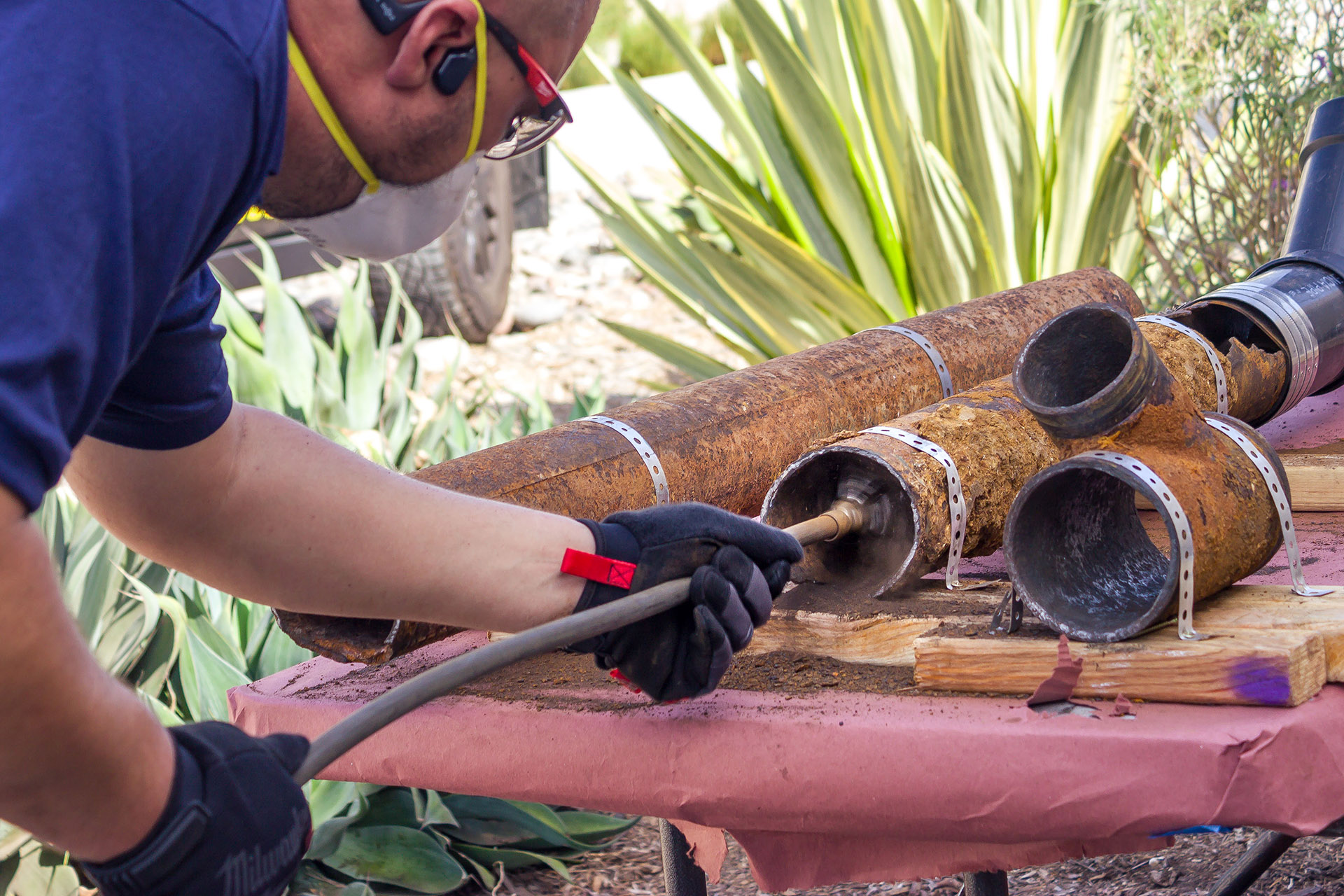
The interior of the pipe is thoroughly cleaned using mechanical descaling to remove debris, scale, and corrosion. Almco uses a carbide chain. The cleaning process ensures proper adhesion of the new liner to the existing pipe.
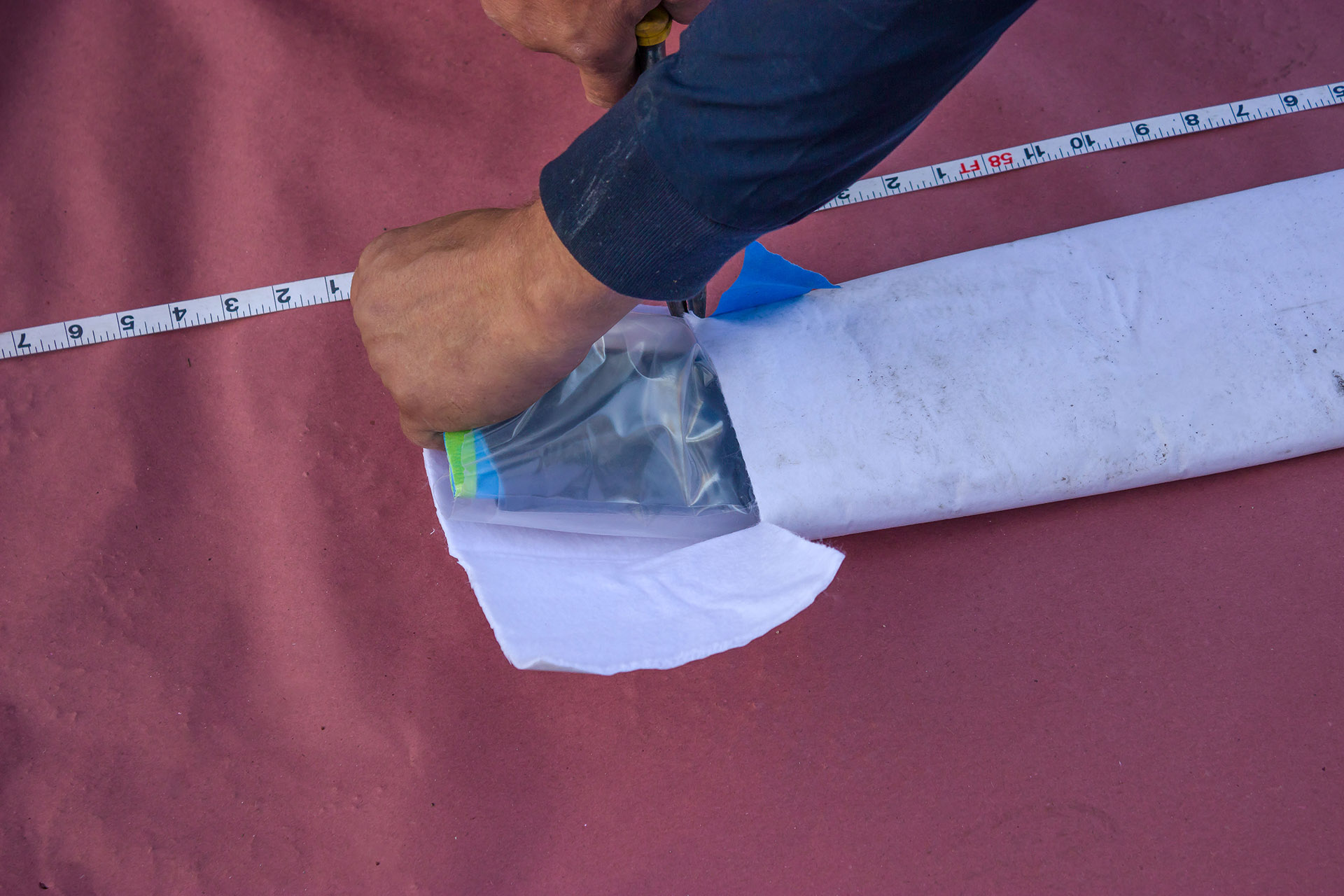
The length and diameter of the damaged pipe is measured. A specially fabricated liner, usually a flexible resin-impregnated material, is prepared to fit exactly inside the pipe.
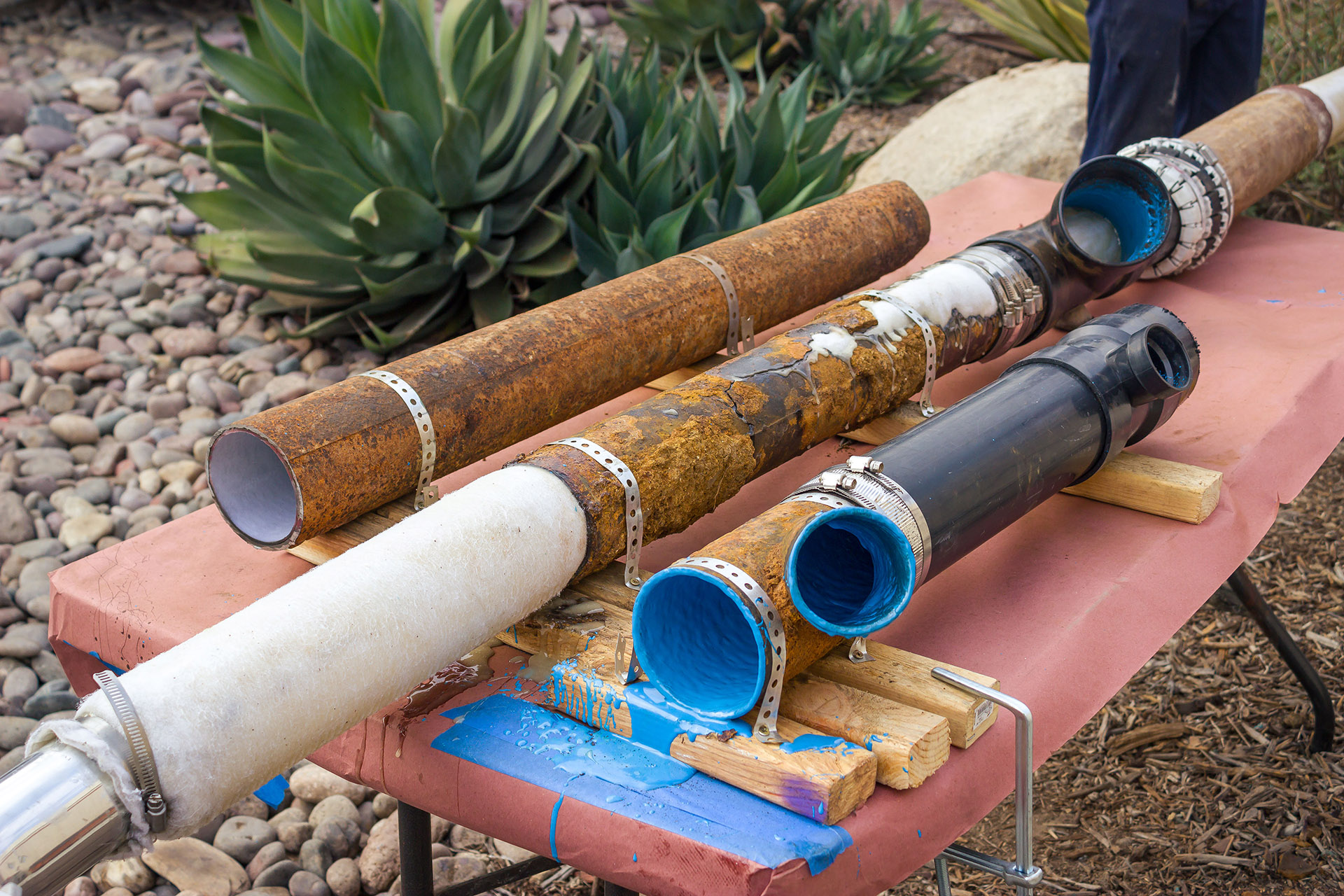
The liner is inserted into the damaged pipe using air pressure, causing it to invert and press tightly against the inner walls and forming a seamless inner layer. Once in place, the resin is cured (hardened) to create a durable, long-lasting pipe.
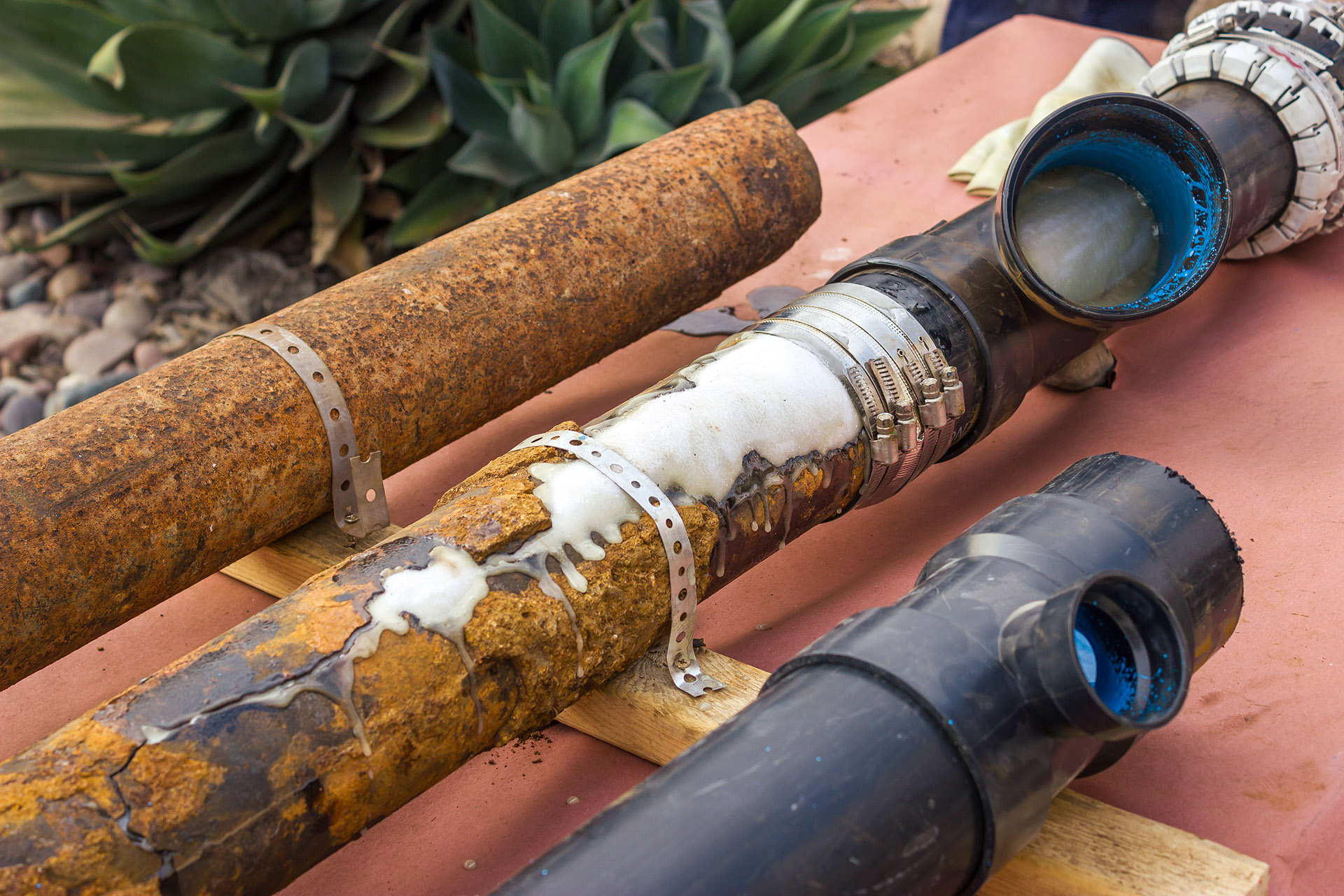
After curing, the new pipe is inspected with a camera to verify its structural integrity and proper installation. Also water flow is tested to ensure the system is operating efficiently.
CIPP inversion can often be completed in a single day, minimizing disruption to your home or business.
Advantages & Disadvantages of CIPP Inversion Lining
While CIPP inversion has many advantages, it’s important to weigh both the benefits and limitations to determine if it’s the right method for your needs.
Advantages
- Trenchless Technology: Eliminates the need for extensive excavation, preserving landscaping, driveways, and property features. Also, there is minimal disruption to daily life or business operations.
- Cost-Effective: Reduces restoration costs compared to traditional pipe replacement methods.
- Durable & Long Lasting: Produces a seamless, corrosion-resistant pipe lining that can last 50 years or more.
- Time Efficient: Most projects can be completed in a single day, reducing downtime.
- Environmentally Friendly: Eliminates the need for extensive excavation and disposal of old pipe, making it a sustainable solution.
- Improved Pipe Performance: Restores structural integrity and prevents future blockages, leaks, or root intrusion.
Disadvantages
- Not Suitable for Severe Pipe Damage: Pipes that are completely collapsed or severely misaligned cannot be repaired with CIPP Inversion.
- Limited Pipe Size Increase: The process does not allow for an increase in pipe diameter.
- Requires Thorough Cleaning: The success of the procedure depends on careful pipe preparation, as debris or scale can interfere with adhesion.
- Initial Cost for Small Repairs: For small or isolated pipe problems, traditional spot repairs may be more economical.
CIPP inversion offers a modern, efficient alternative to traditional pipe replacement, but it’s important to consider its limitations before making a decision.
CIPP Inversion vs. Pull-in-Place: Which Method Fits Your Pipe?
Inversion is one of two CIPP installation methods Almco Plumbing uses in San Diego. Both create the same seamless, corrosion-resistant new pipe inside the old one — the difference is how the liner gets into the pipe, and that is dictated by your pipe’s layout, not by preference.
Inversion is the right call when:
- The damaged run is long and continuous — inversion installs the liner in one uninterrupted pass, from a single access point.
- Only one access point is available — the liner is turned inside-out into the pipe with air or water pressure, so no downstream pull point is needed.
- The line is fairly straight — a consistent diameter without sharp offsets lets the inverted liner press evenly against the host pipe.
Pull-in-Place works better when:
- The damage is localized — a spot repair liner is positioned precisely over the problem section instead of lining the whole run.
- The pipe has bends, offsets, or diameter transitions — the liner is pulled between two access points and inflated with a bladder exactly where it belongs.
You don’t have to pick the method yourself — the pipe does. After a sewer camera inspection, Almco Plumbing recommends inversion or CIPP Pull-in-Place lining, whichever restores your line faster and at lower cost.
CIPP Lining Prices In San Diego
At Almco Plumbing, we understand that cost is an important factor when choosing a sewer repair solution. Our quotes are tailored to the specific needs of each project, to ensure that you receive the most efficient and cost-effective pipe rehabilitation solution.
Below is a sample pricing structure to help you manage the cost of upcoming repairs.
| Type of Work | Average Price, $* |
|---|---|
| 30–50 Feet Hydro Jet & Re-Line 4” Clay Pipe | $5,500–$7,000 |
| Spot Repair 1–5 Feet | $1,800–$3,500 |
| 50–70 Feet Descale & Epoxy Line 4” Cast Iron Main Line | $10,000–$13,000 |
| 20–30 Feet Descale & Epoxy Line 3” Cast Iron Main Line | $5,000–$7,000 |
*The above prices are for guidance only and do not constitute an offer.